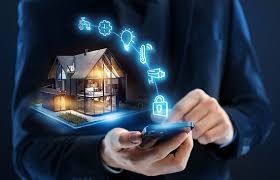
The latest smart home trends focus on AI integration for proactive assistance, enhanced energy efficiency through smarter device management, increased personalization, and a stronger emphasis on robust home security and privacy features. Expect devices to become more intuitive and collaborative.
The Evolution of the Smart Home
Remember when a smart home meant a fancy thermostat or lights you could control from your phone? Those days feel long ago. Today’s smart homes are far more advanced.
They learn our habits. They try to predict our needs. This shift is driven by big leaps in technology.
Artificial intelligence (AI) is at the heart of this change. AI helps devices understand us better. It allows them to act without us even asking.
This makes our homes more helpful and less of a chore to manage. It’s about making life simpler, not more complicated.
We’re also seeing a huge push for energy efficiency. With rising costs and environmental concerns, our homes are becoming smarter about saving power. Devices work together to cut down on waste.
This benefits your wallet and the planet.
AI Takes the Wheel: Proactive Assistance and Personalization
The biggest buzz in smart home technology trends is the move towards proactive AI. Instead of just reacting to your commands, AI-powered systems are starting to anticipate your needs. Think of it as a home that’s always one step ahead.
For example, your smart thermostat might notice you’re always a bit chilly in the morning. It can then learn to warm up the house just before your alarm goes off. It doesn’t wait for you to tell it.
It figures it out based on your patterns. This kind of thoughtful automation feels magical.
Personalization is key here. Your smart speaker can learn your favorite music genres. It can play them when you get home from work.
Your smart lighting can adjust its color and brightness based on the time of day. It can even match your mood if it’s advanced enough.
This AI integration goes beyond simple routines. It’s about creating an environment that truly adapts to you. It understands your lifestyle.
It aims to make every day smoother and more comfortable. It’s like having a very capable, invisible assistant.
What’s exciting is that this isn’t just for the super-rich. These smart AI features are becoming more common in everyday devices. This makes advanced home automation more accessible than ever before.
It’s transforming how we interact with our living spaces.
AI in Action: Everyday Examples
Learning Your Schedule: Smart assistants can learn when you wake up and go to bed. They adjust lights and temperature accordingly. This saves energy without you lifting a finger.
Predictive Maintenance: Some systems can detect unusual appliance noises. They might alert you to a problem before it becomes serious. This saves on costly repairs.
Personalized Comfort: Lights dim automatically as evening approaches. Music might start playing when you enter a specific room.
Optimized Energy Use: Devices learn your energy consumption patterns. They find ways to reduce power use during peak hours.
The goal is to make your home work for you. It should support your daily life seamlessly. This proactive approach is a major shift in how we think about home technology.
It moves from being a tool to being a partner.
Smarter Energy Management: Saving Money and the Planet
Energy bills are a big concern for many families. Smart home technology is stepping up to offer solutions. The focus is on making our homes more efficient.
This means using less power and water. It also means saving money on utilities.
Smart thermostats are a prime example. They learn your schedule. They can adjust the temperature when you’re away.
Some can even sense if a room is empty. They then reduce heating or cooling in that space. This is a simple but effective way to cut energy waste.
Beyond thermostats, we have smart plugs and smart power strips. These allow you to monitor energy usage for individual devices. You can set schedules for them to turn off.
This stops “vampire drain,” where devices use power even when they’re off.
The integration of renewable energy sources is also becoming smarter. If you have solar panels, your smart home system can manage your energy use. It can store excess solar power.
It can use it when needed most. This helps you get the most from your green energy investment.
We’re also seeing more connected appliances. Smart refrigerators can tell you what food you have. They can suggest recipes.
They can also help manage energy use. Smart washing machines and dryers can run during off-peak hours when electricity is cheaper.
The benefits are twofold. First, you see a noticeable reduction in your monthly bills. Second, you contribute to a more sustainable future.
It’s a win-win scenario. This trend is driven by a growing awareness of our environmental impact.
Imagine your home automatically adjusting its energy use throughout the day. It knows when electricity is cheapest. It knows when you need certain appliances.
It works quietly in the background. This makes saving energy effortless for you.
Energy Saving Habits & Tech
Smart Thermostats: Learn schedules, adjust temps remotely, and use sensors. Save up to 10-15% on heating and cooling costs.
Smart Plugs: Monitor device energy use. Schedule electronics to turn off. Eliminate vampire drain (standby power).
Connected Appliances: Run dishwashers or laundry during off-peak hours. Optimize energy usage for cooking.
Smart Lighting: Use LEDs. Set schedules and motion sensors. Dim lights when not needed.
Home Energy Monitors: Provide a dashboard of your entire home’s energy use. Identify power hogs easily.
This focus on efficiency is not just about gadgets. It’s about a smarter way of living. It encourages us to be more mindful of our consumption.
It empowers us to make a positive change from within our homes.
Enhanced Home Security and Privacy
As homes get smarter, so do the security concerns. Thankfully, smart home security is also evolving rapidly. The latest trends focus on proactive protection and user control over data.
We’re seeing more advanced security cameras. Some use AI to distinguish between people, pets, and vehicles. This reduces false alarms.
They can also recognize familiar faces. They might alert you if an unfamiliar person is detected.
Smart locks are becoming more sophisticated. Beyond remote locking and unlocking, some now offer temporary access codes. You can give a code to a guest or delivery person.
It can be set to expire automatically. This is much safer than leaving a spare key under the mat.
Integration is a big part of modern security. Your smart alarm system can link with your lights. If an alarm is triggered, all your lights might flash.
This can deter intruders and make it easier for authorities to spot your home.
Privacy is a major concern with smart devices. Manufacturers are paying more attention to this. Features like local data processing are becoming more common.
This means your personal data stays within your home network. It doesn’t get sent to distant servers unless necessary.
We also see more transparent data policies. Companies are being clearer about how they collect and use your information. You have more control over your settings.
This is crucial for building trust in smart home technology.
Think about a home security system that doesn’t just record events. It actively analyzes them. It can tell you what’s important.
It can filter out the noise. This gives you peace of mind. You know your home is protected.
You also know your privacy is respected.
The trend is towards a more integrated and intelligent security approach. It’s not just about deterring break-ins. It’s about creating a safe and secure environment.
It’s also about ensuring your personal information remains yours.
Smart Security Features to Watch For
AI-Powered Cameras: Person detection, facial recognition, package alerts. Reduce false alarms.
Smart Locks: Keyless entry, temporary access codes, remote control. Enhanced convenience and security.
Integrated Systems: Alarms that trigger lights, smart doorbells that connect to displays. Unified protection.
Privacy Controls: Local data storage options, granular permissions, transparent data policies. User control is key.
Emergency Response: Systems that can contact emergency services automatically. Faster help when you need it.
Building trust in smart home security requires a commitment to both robust features and user privacy. As technology advances, consumers are becoming more aware. They demand solutions that protect their homes and their personal information equally well.
The Rise of Matter and Interoperability
One of the biggest headaches for smart home users has been compatibility. Devices from different brands often don’t talk to each other. This leads to fragmented systems.
You might have one app for lights and another for your thermostat.
This is where Matter comes in. Matter is a new industry standard. It’s designed to make smart home devices work together.
It doesn’t matter who made them. If a device supports Matter, it should connect to other Matter-certified devices.
Think of it like USB for smart homes. You can plug in any USB device to any USB port, and it usually works. Matter aims for that same level of seamless connection.
This is a game-changer for consumers.
This trend means you can buy devices from different companies. You can be more confident they will all work within the same ecosystem. This simplifies setup.
It makes managing your smart home much easier. It also opens up new possibilities for automation.
For example, a Matter-certified motion sensor from one brand could trigger a Matter-certified smart light from another brand. You wouldn’t need a complex workaround. It just happens.
This unlocks more sophisticated “if this, then that” scenarios.
Interoperability also drives innovation. Companies can focus on making better devices. They don’t have to spend as much time on proprietary integrations.
This competition can lead to better products for everyone.
When you’re shopping for new smart home devices, look for the Matter logo. This certification is a strong indicator that the product will play well with others. It’s a sign of a more connected and user-friendly smart home future.
The impact of Matter is still unfolding. But it promises a much less frustrating experience for smart home owners. It’s a step towards a truly integrated and intelligent home environment.
Why Interoperability Matters (Matter)
Simplified Setup: Devices connect easily across brands.
Unified Control: Manage all your devices from one app or voice assistant.
Enhanced Automation: Create complex routines involving devices from different manufacturers.
Future-Proofing: Your investment is more likely to work with future devices.
Increased Choice: Buy the best product for the job, not just the one that’s compatible.
This move towards standardization is essential for the growth of the smart home market. It removes barriers for consumers. It makes the technology more approachable and useful for a wider audience.
The Connected Health and Wellness Smart Home
Our homes are becoming extensions of our well-being. Smart home technology is increasingly being used to support health and wellness. This is a rapidly growing area within smart home technology trends.
Imagine a smart home that helps you sleep better. It can control light and sound to create the perfect sleep environment. Some systems can monitor your sleep patterns.
They can provide insights and suggest improvements.
Air quality is another focus. Smart air purifiers and monitors can detect pollutants. They can alert you to issues.
They can also automatically turn on to clean the air. This is especially important for people with allergies or respiratory conditions.
Smart lighting is also playing a role in wellness. Circadian rhythm lighting can mimic natural daylight. It can help regulate your body’s natural sleep-wake cycle.
This can boost mood and energy levels throughout the day.
For older adults or those with mobility issues, smart home technology can offer a sense of independence and safety. Smart fall detection systems can alert caregivers. Voice-activated controls can make tasks easier.
Remote monitoring can provide peace of mind for families.
Wearable technology is also integrating with smart homes. Your smartwatch might tell your home to adjust the lighting or temperature based on your activity level. It can create a more personalized and responsive living space.
The goal is to create a home environment that actively supports your physical and mental health. It’s about using technology to enhance your quality of life. This trend is driven by a growing understanding of the connection between our environment and our well-being.
This isn’t about replacing doctors or medical care. It’s about providing supportive tools. These tools can help you live a healthier, more comfortable life within your own home.
It’s a powerful application of technology.
Smart Tech for Health & Wellness
Sleep Environment Control: Smart lights, sound machines, and temperature regulation for better sleep.
Air Quality Monitoring: Smart sensors detect pollutants. Air purifiers activate automatically.
Circadian Lighting: Mimics natural daylight cycles to boost mood and energy.
Fall Detection: Wearables and sensors alert caregivers in emergencies.
Medication Reminders: Smart speakers or apps can provide timely alerts.
Activity Integration: Smart homes react to data from wearables for personalized comfort.
As our understanding of health and wellness grows, so too will the role of smart homes in supporting it. It’s a holistic approach to living well, with technology playing a supportive, rather than dominant, role.
Voice Assistants Get Smarter and More Contextual
Voice assistants like Amazon Alexa, Google Assistant, and Apple’s Siri are already central to many smart homes. The trend now is for them to become much smarter and more aware of context.
Instead of just taking single commands, future voice assistants will understand more complex requests. They will remember previous conversations. They will be able to handle follow-up questions without you repeating yourself.
For example, you might ask, “What’s the weather like today?” The assistant answers. Then you can follow up with, “And what about tomorrow?” You won’t have to say, “Tell me the weather for tomorrow.” The assistant will understand you’re still talking about the weather.
This contextual understanding makes interacting with your smart home feel more natural. It’s closer to having a real conversation. This is a huge step towards making smart home technology truly intuitive.
Furthermore, voice assistants are becoming more personalized. They can recognize different voices in a household. This means they can tailor responses and actions to each individual.
Your smart assistant can play your music, not just anyone’s.
This personalization extends to proactive suggestions. Based on your daily habits, a voice assistant might suggest setting a reminder for an appointment. Or it might offer to start your smart coffee maker before you get out of bed.
The integration of AI is fueling this advancement. These assistants are learning from vast amounts of data. They are getting better at understanding human language and intent.
This means they can perform more complex tasks.
The convenience of voice control is undeniable. When it becomes more intelligent and contextual, it transforms the smart home experience. It moves from a novelty to an essential part of daily life for many.
The challenge is to ensure these advancements also respect user privacy. As assistants become more aware, clear controls and transparency are more important than ever.
Smarter Voice Assistant Features
Conversational AI: Understands follow-up questions and remembers context.
Multi-User Recognition: Personalizes responses and actions for each family member.
Proactive Suggestions: Offers helpful reminders or actions based on your routine.
Natural Language Processing: Interprets complex or nuanced commands more accurately.
Deeper Integration: Controls more smart home devices and services with greater ease.
The evolution of voice assistants is a key indicator of where smart home technology is heading. It’s moving towards a more natural, intelligent, and personalized interaction model.
The Future: More Seamless Integration and Predictive Living
Looking ahead, the smart home technology trends point towards an even deeper integration into our lives. The focus will be on making technology invisible.
Imagine a home that doesn’t just respond to commands. It anticipates your needs before you even realize them. This is the realm of predictive living.
AI will learn your patterns so well that it can make small adjustments without you ever noticing.
This could mean your home subtly adjusting lighting for optimal focus when you’re working. Or it could mean your smart fridge ordering groceries before you run out. It’s about a home that supports you proactively.
The lines between different smart devices will blur even further. Devices will work together more fluidly. The goal is a truly unified smart home experience.
You won’t have to think about which app to use or which system controls what.
This seamless integration will extend beyond the home. Your smart home will likely interact more with your car, your workplace, and your city. It will be part of a larger connected ecosystem.
The advancements in AI, machine learning, and network connectivity are the driving forces behind this future. They are enabling devices to communicate and learn at an unprecedented pace.
While the possibilities are exciting, ethical considerations will remain paramount. Data privacy, security, and equitable access to these technologies will be crucial discussions as we move forward.
What This Means for You
So, what does all this mean for your home? It means more convenience, more efficiency, and more personalized comfort are becoming standard.
When it’s normal: It’s normal for your smart lights to turn on when you walk into a room. It’s normal for your thermostat to learn your schedule. It’s normal for your voice assistant to play music on command.
When to worry: You might worry if your smart devices are constantly malfunctioning. Or if you suspect your personal data is not being kept secure. If you can’t control who has access to your home’s systems, that’s also a concern.
Simple checks: Regularly check the privacy settings on your smart devices. Make sure you understand what data is being collected. Keep your device software updated to patch security vulnerabilities.
Ensure strong, unique passwords are used for your smart home accounts.
These trends are making smart homes more useful for everyone. They are moving towards a more intuitive and supportive living experience. You don’t need to be a tech expert to benefit.
Quick Tips for Embracing Smart Home Trends
If you’re looking to update your smart home or start fresh, keep these tips in mind:
- Start Small: You don’t need to automate everything at once. Begin with a smart speaker or a few smart lights. See how you like them.
- Prioritize Needs: Think about what frustrates you most in your home. Is it energy bills? Security? Convenience? Choose devices that address those specific pain points.
- Look for Compatibility: As mentioned, Matter is a great standard to look for. It helps ensure devices will work together.
- Consider Security and Privacy: Always choose reputable brands. Read reviews that discuss their security features and privacy policies.
- Keep Software Updated: Like any technology, smart devices need updates. These often include security patches. Enable automatic updates when possible.
- Don’t Fear Voice Control: Voice assistants are becoming more accurate and helpful. They can simplify many daily tasks.
Embracing these trends can lead to a more comfortable, efficient, and secure living space. It’s about making your home work better for you.
Frequently Asked Questions
What is the most significant smart home technology trend right now?
The most significant trend is the integration of Artificial Intelligence (AI) for proactive assistance and personalization. Smart homes are moving from reacting to commands to anticipating your needs, making them more intuitive and helpful.
How are smart homes becoming more energy-efficient?
Smart thermostats learn your habits and adjust temperatures automatically. Smart plugs monitor and control device energy use, reducing waste. Connected appliances can also run during off-peak hours when electricity is cheaper.
What is Matter, and why is it important for smart homes?
Matter is a new industry standard that allows smart home devices from different manufacturers to work together seamlessly. It simplifies setup and control, creating a more unified smart home experience.
Are smart home security systems getting better at protecting privacy?
Yes, there’s a growing focus on privacy. Many new systems offer local data processing, keeping your information within your home. Companies are also becoming more transparent about data usage.
Can smart home technology help with my health and wellness?
Absolutely. Trends include smart lighting for better sleep cycles, air quality monitors, and systems that support independent living for seniors. Wearables can also interact with your smart home for personalized comfort.
How much more expensive are homes that have smart technology built-in?
Homes built with smart technology often come at a premium. However, you can easily add smart features to any existing home by purchasing individual devices like smart plugs, lights, or thermostats, which are quite affordable.
Conclusion
The smart home is no longer a futuristic concept. It’s a present reality that continues to evolve. These trends show a clear path towards homes that are more intelligent, efficient, and personalized.
They are designed to simplify our lives and enhance our well-being.