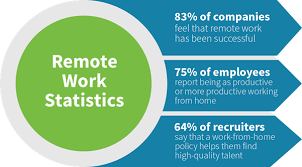
Remote work has evolved significantly, with many companies embracing hybrid models and flexible schedules. Key trends include a focus on employee well-being, the rise of asynchronous communication, and the need for strong virtual team cohesion. Adapting to these shifts is crucial for both individuals and organizations to maintain productivity and satisfaction.
Understanding Remote Work Trends
Remote work is not just about working from your couch. It’s a big change in how jobs get done. It means people can do their work from places other than a main office.
This can be their home, a co-working space, or even while traveling. The idea has been around for a while. But recent events made it happen much faster for many.
This move to remote work has many sides. For some, it’s a dream come true. They get more time with family.
They save money on commuting. For others, it can feel lonely. It can be hard to switch off from work.
Companies also face new challenges. They need to keep teams connected. They must also ensure work gets done well.
Looking at the latest trends helps us understand this changing world. It shows us where things are headed. It helps us prepare for what’s next.
We can see how jobs might look in a few years. We can also learn how to be happier and more productive.
The Rise of Hybrid Work Models
One of the biggest trends is the move towards hybrid work. This is when employees split their time between working from home and working in an office. It’s not a full return to the old ways.
But it’s also not fully remote for everyone. Many companies feel this is the best of both worlds.
Hybrid models try to offer flexibility. They also aim to keep the benefits of in-person work. Things like team building, quick chats, and brainstorming sessions can happen in the office.
But employees still get the quiet time and fewer distractions of working at home. This can lead to better work-life balance for many people.
Different companies do hybrid work in different ways. Some might have specific days for people to come in. Others let teams decide when they want to be in the office.
Some jobs might require more office time than others. The key is finding a balance that works for everyone. It needs to help the company grow and keep employees happy.
Hybrid Work: A Balancing Act
The Goal: Combine flexibility with in-person collaboration.
Common Setups:
- Fixed Days: Employees come in on set days (e.g., Tuesdays and Thursdays).
- Team Choice: Teams decide their office days together.
- Employee Choice: Employees choose when to come in, with some minimums.
Challenges: Ensuring fairness and connection for everyone, regardless of location.
Companies are learning as they go. They try different hybrid setups. They get feedback from their teams.
It’s a process of trial and error. The goal is to make it work for the long run. This trend shows that remote work is not one-size-fits-all.
It’s about finding the best way for each company and its people.
Focus on Employee Well-being and Mental Health
Working from home can blur the lines between work and personal life. This can lead to stress and burnout. So, many companies are now putting a big focus on employee well-being and mental health.
They understand that happy, healthy employees do better work.
This means offering more support. Companies might provide resources for mental health. They could offer access to therapists or counseling.
They might also encourage breaks and time off. Some companies are even looking at shorter work weeks. The idea is to prevent burnout before it happens.
It’s also about creating a culture that supports well-being. This includes managers checking in with their teams. It means talking openly about stress.
It’s about making sure people feel supported. This is a critical trend for remote and hybrid workforces.
Supporting Well-being in Remote Teams
What Companies Are Doing:
- Mental Health Benefits: Offering therapy, counseling services, and mental health days.
- Work-Life Balance Policies: Encouraging breaks, flexible hours, and discouraging after-hours work.
- Wellness Programs: Promoting exercise, mindfulness, and healthy habits.
- Manager Training: Equipping managers to spot signs of stress and offer support.
Why It Matters: Reduced burnout, increased productivity, and higher job satisfaction.
I remember a time when I worked for a company that didn’t talk about stress. It felt like you just had to push through. Now, I see companies actively asking how people are doing.
They offer real help. This shift is a huge positive change. It makes work feel more human.
It acknowledges that we all have lives outside of our jobs.
The Rise of Asynchronous Communication
When everyone is in the same office, you can just walk over and ask a question. Or you can have a quick chat at someone’s desk. This is synchronous communication.
It happens in real-time. But with remote work, this is not always possible. People work in different time zones.
They might have different schedules.
This has led to a big increase in asynchronous communication. This means messages are sent and received at different times. Think about emails, instant messages that don’t need an immediate reply, or project management tools.
You send your message, and the other person replies when they can.
This style of communication has many benefits. It allows people to focus without constant interruptions. They can take their time to craft thoughtful responses.
It’s also better for different time zones. Everyone can catch up on messages when it works for them. This requires clear writing and good documentation.
Asynchronous Communication Tips
1. Be Clear: State your purpose upfront in your message.
2. Provide Context: Include all necessary information so the other person doesn’t need to ask follow-up questions.
3. Set Expectations: Mention when you expect a reply, if needed (e.g., “Let me know by tomorrow”).
4. Use Tools Wisely: Choose the right tool for the message (e.g., email for formal updates, chat for quick questions).
5. Document: Keep important information in shared spaces so everyone can find it later.
I found that switching to more async communication helped my focus immensely. Before, my instant messenger would light up constantly. It felt like I was always being pulled away from deep work.
Now, I check messages at set times. I can really get into my tasks. It does take some getting used to.
You have to trust that people will respond. But the benefits for productivity are huge.
Rethinking Office Spaces
If many people are working remotely or in a hybrid model, what happens to the office? Companies are rethinking their office spaces. They don’t need as much desk space for everyone.
Instead, offices are becoming more about collaboration and connection.
Offices are turning into hubs for meetings, workshops, and team events. They might have more meeting rooms. They could have comfortable common areas.
They might focus on creating a welcoming atmosphere. The goal is to make people want to come to the office. It’s not just a place they have to be.
Some companies are also downsizing their offices. They might move to smaller spaces. They could also share office space with other companies.
This saves money. It also makes sense if the office is not used every day. The office is becoming a tool for connection, not just a place to sit.
The Evolving Office
From: Rows of desks, individual cubicles.
To: Flexible meeting spaces, collaboration zones, social areas.
Purpose: Team building, connection, spontaneous interaction, focused work away from home distractions.
Design Shifts: More comfortable furniture, better technology for hybrid meetings, catering to short-term needs.
I visited a friend’s office recently. It felt more like a modern lounge than a typical workplace. There were comfy chairs, small meeting pods, and a large open area for events.
People seemed to be there to meet and work together for a few hours. Then they headed home. It was a clear sign that the office’s role is changing.
The Importance of Virtual Team Cohesion
When teams are spread out, it can be harder to build strong bonds. This is where virtual team cohesion becomes very important. It means making sure everyone feels like part of the team, even if they are not physically together.
Companies are trying new ways to build these connections. They might have virtual coffee breaks. They could organize online games or team-building activities.
Managers often have regular one-on-one meetings. These help them understand how each person is doing. They also provide a chance for informal chat.
Good communication tools are also key. Using platforms that allow for easy interaction helps. It’s about creating a sense of belonging.
This helps teams work better together. It also makes work more enjoyable for everyone.
Building Virtual Team Bonds
Scheduled Socials: Virtual coffee breaks, team lunches over video calls.
Fun Activities: Online games, virtual escape rooms, themed dress-up days.
Informal Channels: Using chat tools for non-work related conversations and sharing.
Recognition: Publicly acknowledging team successes and individual contributions.
Onboarding: Ensuring new remote hires feel welcomed and integrated quickly.
I’ve been part of teams that felt really disconnected. It was just work tasks back and forth. Then I joined a team that made an effort.
We had a weekly “water cooler” chat. It wasn’t about work at all. We just talked about our weekends or pets.
It sounds small, but it made a big difference. I felt more connected to my colleagues. I was more willing to help them out.
It showed me how important these little things are.
Technology Enabling Remote Work
None of this would be possible without technology. The tools we use have advanced a lot. They make remote work smoother.
We have video conferencing tools like Zoom and Microsoft Teams. We have project management software like Asana and Trello. We have cloud storage like Google Drive and Dropbox.
These technologies allow us to communicate, collaborate, and store information no matter where we are. Companies are investing more in these tools. They are also training employees on how to use them effectively.
Good technology is the backbone of successful remote and hybrid work. It needs to be reliable and easy to use.
Security is also a big part of the technology trend. With people working from different locations, companies need to ensure data is safe. This means using strong passwords, secure networks, and encryption.
Protecting company and personal data is a top priority.
Key Technologies for Remote Work
Communication: Zoom, Microsoft Teams, Slack, Google Meet.
Collaboration: Google Workspace, Microsoft 365, Asana, Trello, Monday.com.
Storage & File Sharing: Dropbox, OneDrive, Google Drive.
Security: VPNs, Multi-factor Authentication (MFA), Password Managers.
Time Tracking & Productivity: Toggl Track, Clockify, RescueTime.
I remember the early days of video calls. The quality was often terrible. It was hard to hear each other.
Now, the technology is so much better. It feels almost like being in the same room sometimes. But it’s also true that sometimes the tech fails.
A dropped call or a glitchy system can be frustrating. That’s why having reliable tools and backups is so important.
The Challenge of Digital Overload
While technology is great, it can also lead to too much information. This is called digital overload. When you have many apps, emails, and messages coming at you all day, it can be overwhelming.
It’s hard to know what’s important.
This is a challenge for both individuals and companies. People can feel stressed and unable to keep up. They might miss important messages.
Companies need to help their teams manage this. This can involve setting guidelines for communication. It can mean encouraging people to turn off notifications.
It’s about finding a way to use technology without letting it control you.
Setting boundaries is key. This means deciding when to check emails. It means not feeling pressured to respond instantly to every message.
It’s about reclaiming control of your digital day. This is a growing concern as we rely more on digital tools.
Managing Digital Overload
Set Communication Rules: Define when to use email vs. chat vs. calls.
Schedule “Deep Work” Time: Block out periods for focused tasks, turning off notifications.
Batch Tasks: Check email and messages at specific times, not constantly.
Unsubscribe: Reduce unnecessary notifications and newsletters.
Mindful Use: Be aware of how much time you spend on digital devices.
I know I’ve struggled with digital overload. My phone buzzes constantly. My email inbox is always full.
I’ve had to force myself to put my phone away for parts of the day. I also try to process my emails only a couple of times a day. It’s hard at first.
But it makes a huge difference to my peace of mind. It helps me feel like I’m in charge of my day, not my devices.
Global Talent Pools and Remote Hiring
Remote work has opened up new possibilities for companies. They can now hire the best talent from anywhere in the world. This is known as accessing global talent pools.
Companies are not limited by geography anymore. They can find skilled workers in different cities or even different countries.
This trend is changing how businesses find employees. It also means more opportunities for workers. Someone in a smaller town can apply for a job with a company based in a major city.
This can lead to better jobs and higher pay for people outside of traditional job markets.
However, it also brings challenges. Companies need to understand different labor laws and cultures. They also need to manage teams that are in many different time zones.
But the potential benefits are enormous. It allows for a wider range of skills and perspectives.
Benefits of Global Talent Pools
Access to Skills: Find specialized talent not available locally.
Cost Savings: Potentially lower labor costs in certain regions.
Diversity: Broader range of perspectives and experiences.
24/7 Operations: Teams in different time zones can cover more hours.
Employee Choice: More job options for individuals regardless of location.
My friend works for a tech company that hires people from all over. She told me her team has members in India, Spain, and Canada. It means they have to be super organized with their communication.
But they also get to learn so much from each other. She said the ideas that come out of their diverse team are amazing. It really shows the power of looking beyond just your local area.
Performance Management in Remote Settings
How do you measure success when people are not in the office? This is a key question in performance management for remote teams. Traditional methods, like observing people at their desks, don’t work anymore.
Companies are shifting to outcome-based performance. This means focusing on the results of work, not just the hours spent. Clear goals and deadlines are crucial.
Performance reviews might look at project completion, quality of work, and contribution to team goals. It’s about trust and clear expectations.
Managers need to be good at setting these goals. They also need to provide regular feedback. This helps employees know if they are on the right track.
It’s a more objective way to manage performance. It helps ensure fairness and transparency.
Remote Performance Metrics
Goal Achievement: Have key objectives been met on time and to standard?
Quality of Work: Is the output accurate, thorough, and well-executed?
Productivity: Is the employee completing tasks efficiently?
Collaboration: How well do they contribute to team efforts and communication?
Client/Customer Satisfaction: If applicable, how are their interactions rated?
I once had a manager who was very focused on outcomes. We set clear goals at the start of each quarter. We had weekly check-ins to discuss progress.
I always knew where I stood. It felt fair and motivating. I didn’t feel like I was being watched.
I felt trusted to do my job. This approach is so much better for remote work.
The Future of Remote Work: What to Expect
Remote work is here to stay. The trends we’ve discussed are shaping the future of jobs. We will likely see more hybrid models.
Companies will continue to focus on employee well-being. Asynchronous communication will become more common. Technology will keep evolving to support these changes.
The office will likely become a place for connection. Global hiring will continue to grow. Performance management will focus more on results.
The biggest challenge will be finding the right balance. A balance that works for companies, employees, and the evolving nature of work itself.
It’s an exciting time. It’s also a time of learning. We are all part of this big experiment.
By understanding these trends, we can better navigate the future. We can create work environments that are productive, flexible, and fulfilling for everyone.
Frequently Asked Questions About Remote Work Trends
What is the most common remote work trend right now?
The most common trend is the rise of hybrid work models, where employees split their time between working from home and in the office. This offers a balance of flexibility and in-person interaction.
How are companies supporting employee well-being in remote settings?
Companies are offering more mental health resources, promoting work-life balance, encouraging breaks, and implementing wellness programs. They also train managers to better support their remote teams.
Is asynchronous communication replacing real-time chat?
Not entirely, but asynchronous communication is becoming much more important. It allows for flexibility, focus, and better management of different time zones. It’s often used alongside real-time tools.
How are office spaces changing due to remote work?
Offices are becoming less about individual desks and more about spaces for collaboration, meetings, and team building. They are designed to be hubs for connection rather than just places to work.
What challenges does remote work present for team cohesion?
Building strong bonds and a sense of belonging can be harder when teams are not physically together. This requires intentional effort through virtual social activities and clear communication channels.
How is performance measured for remote employees?
Performance management is shifting towards outcome-based evaluation. This means focusing on results, goal achievement, and the quality of work, rather than just hours worked or physical presence.
Will remote work continue to grow?
Yes, remote and hybrid work are expected to remain significant. The trend is towards more flexible work arrangements, driven by employee demand and the realization of business benefits.
Conclusion
The world of work is in constant motion. Remote work trends are not just buzzwords. They are real changes affecting how we earn a living.
Understanding these shifts helps us adapt. It allows us to make the most of new opportunities. Embracing flexibility and focusing on what truly matters will lead to success.